
Pinpiri
Founder / creative director / Graphic Designer / Copywriter / photographer / social media manager
The challenge
This didn't start with a challenge. It started with an idea: bring fun back to something that had become painfully boring.
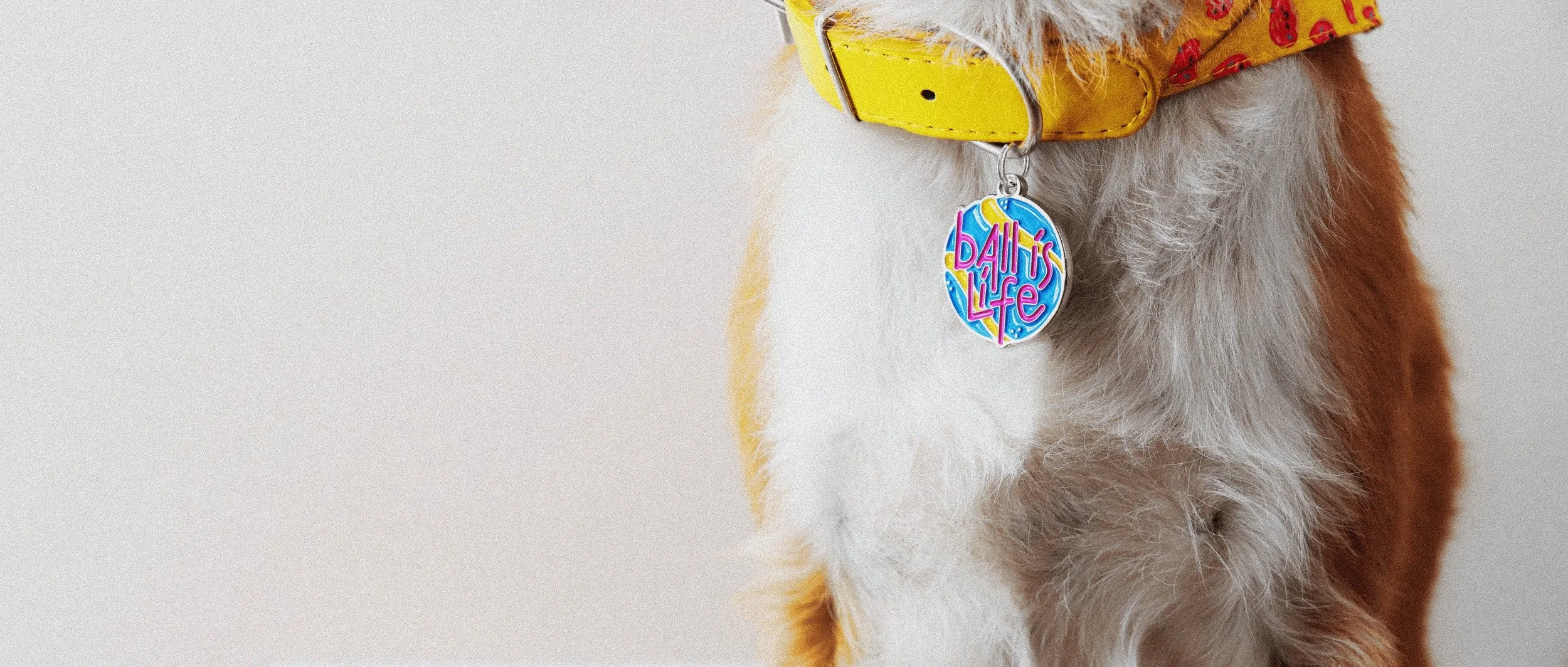
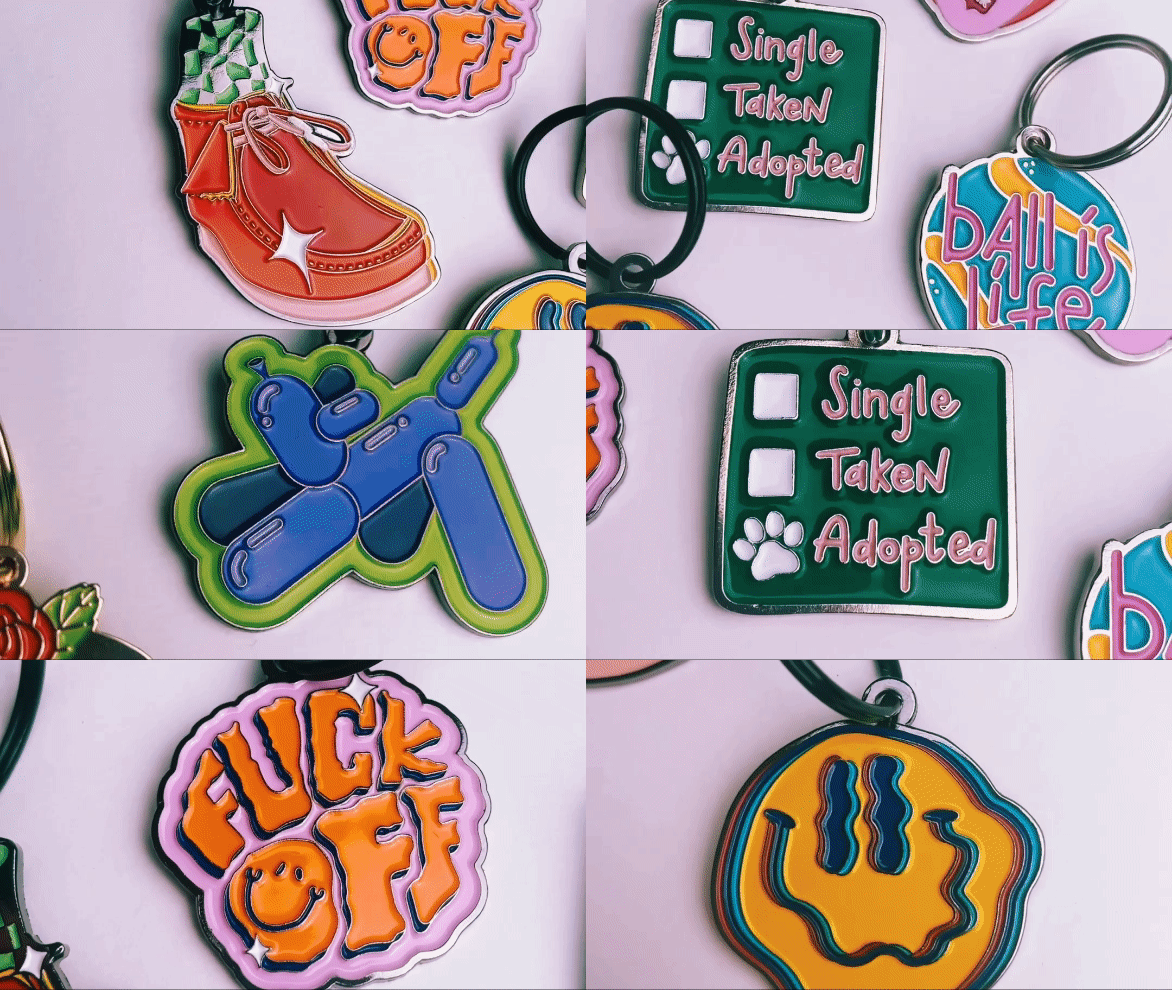
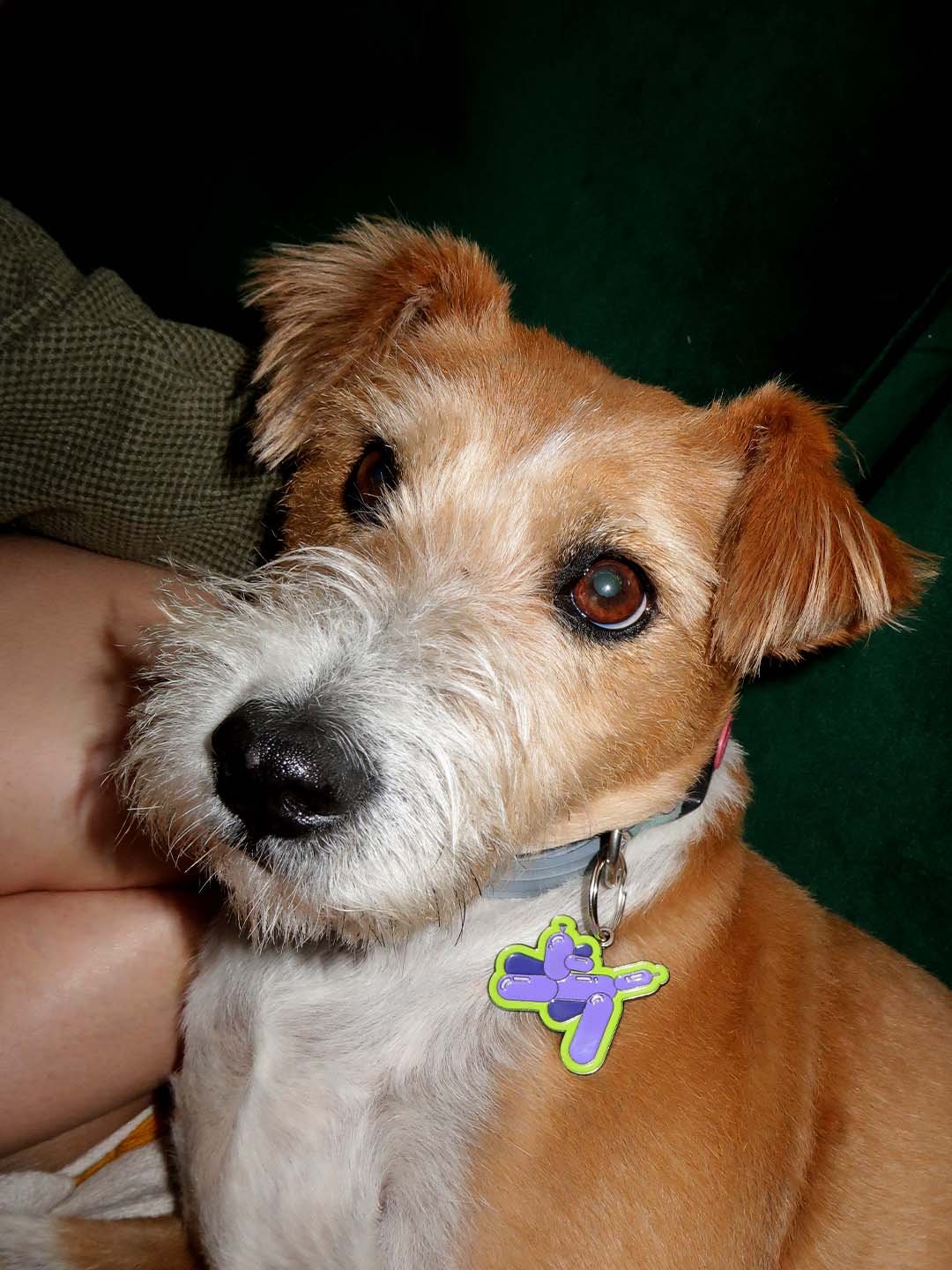
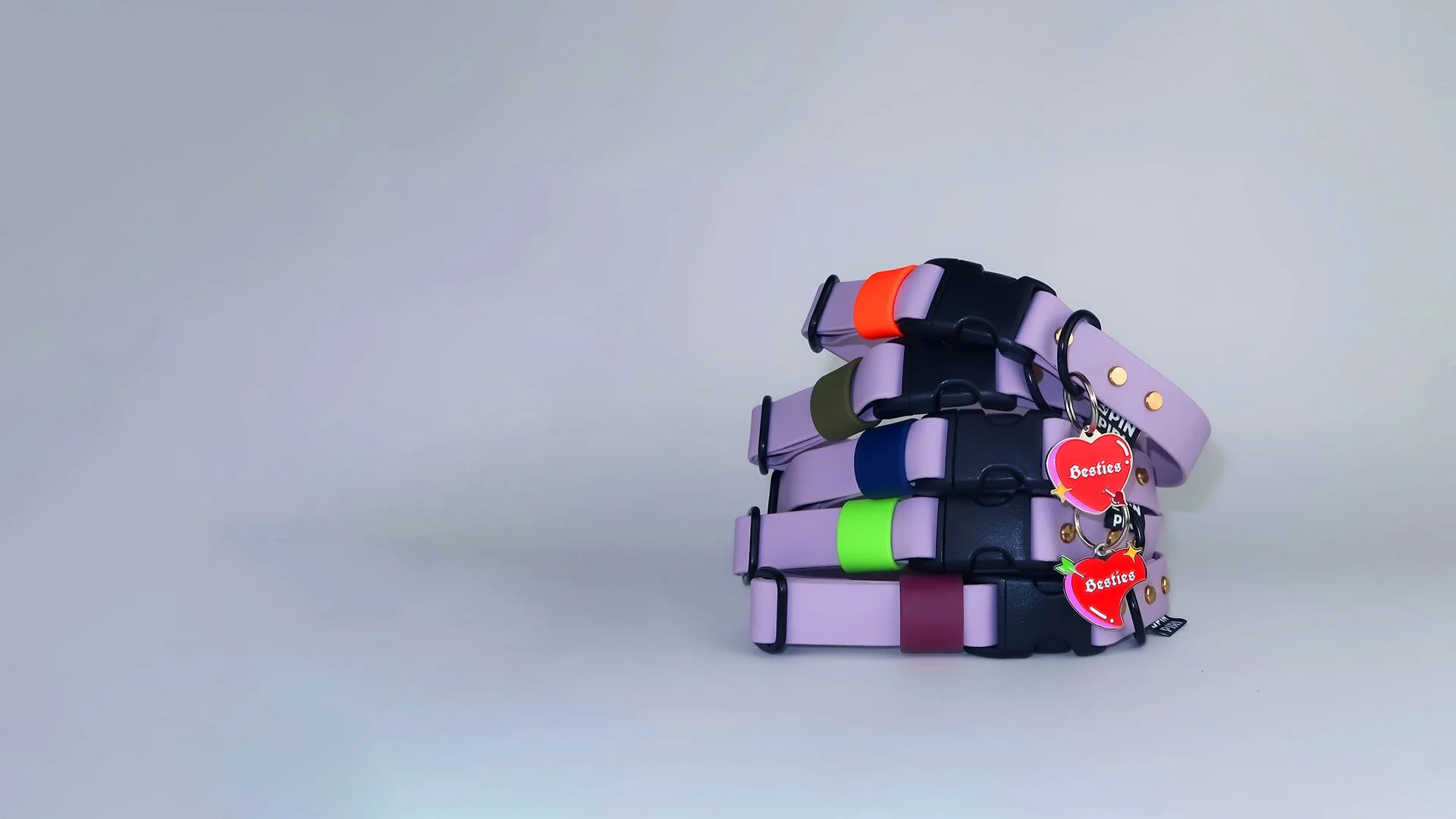
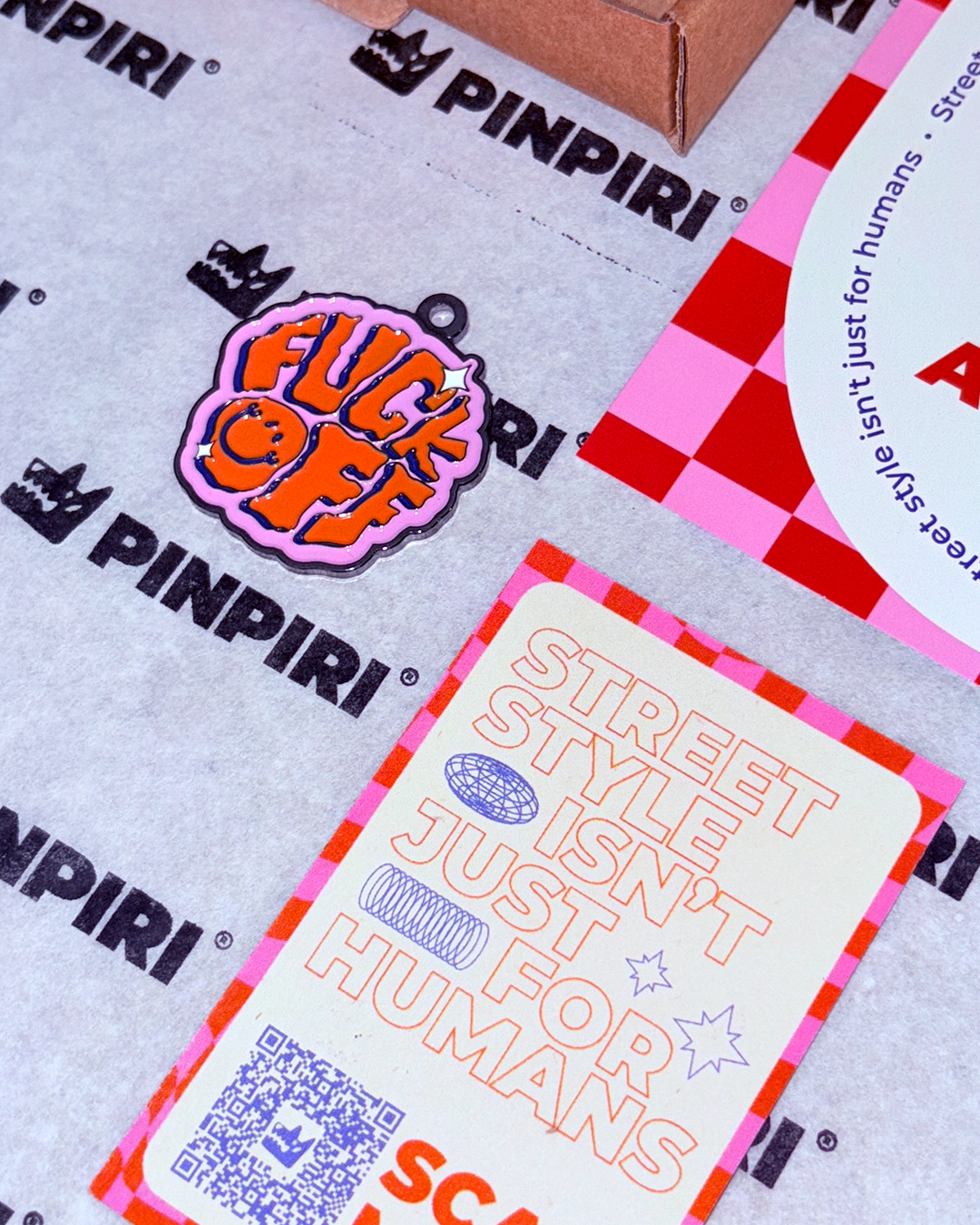
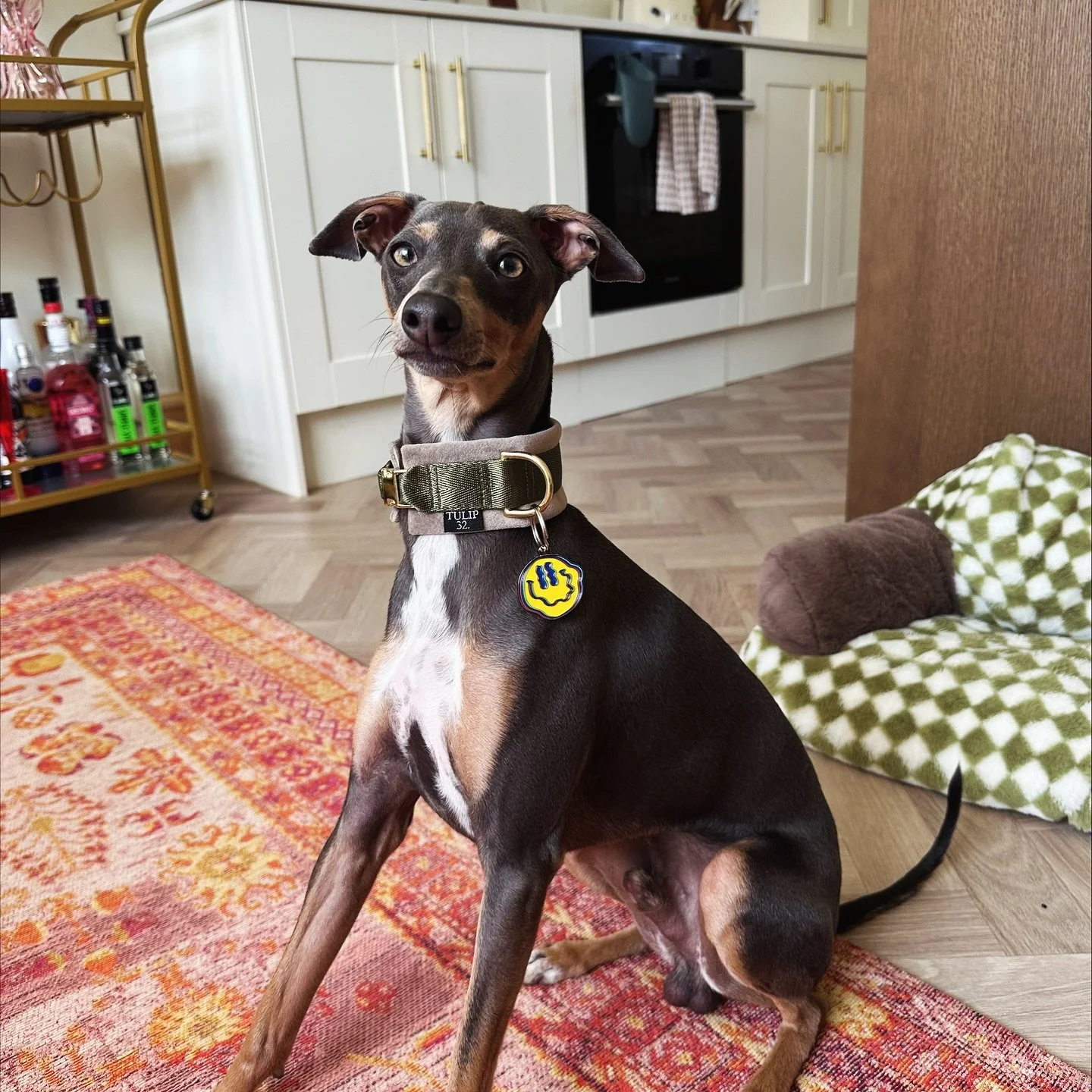
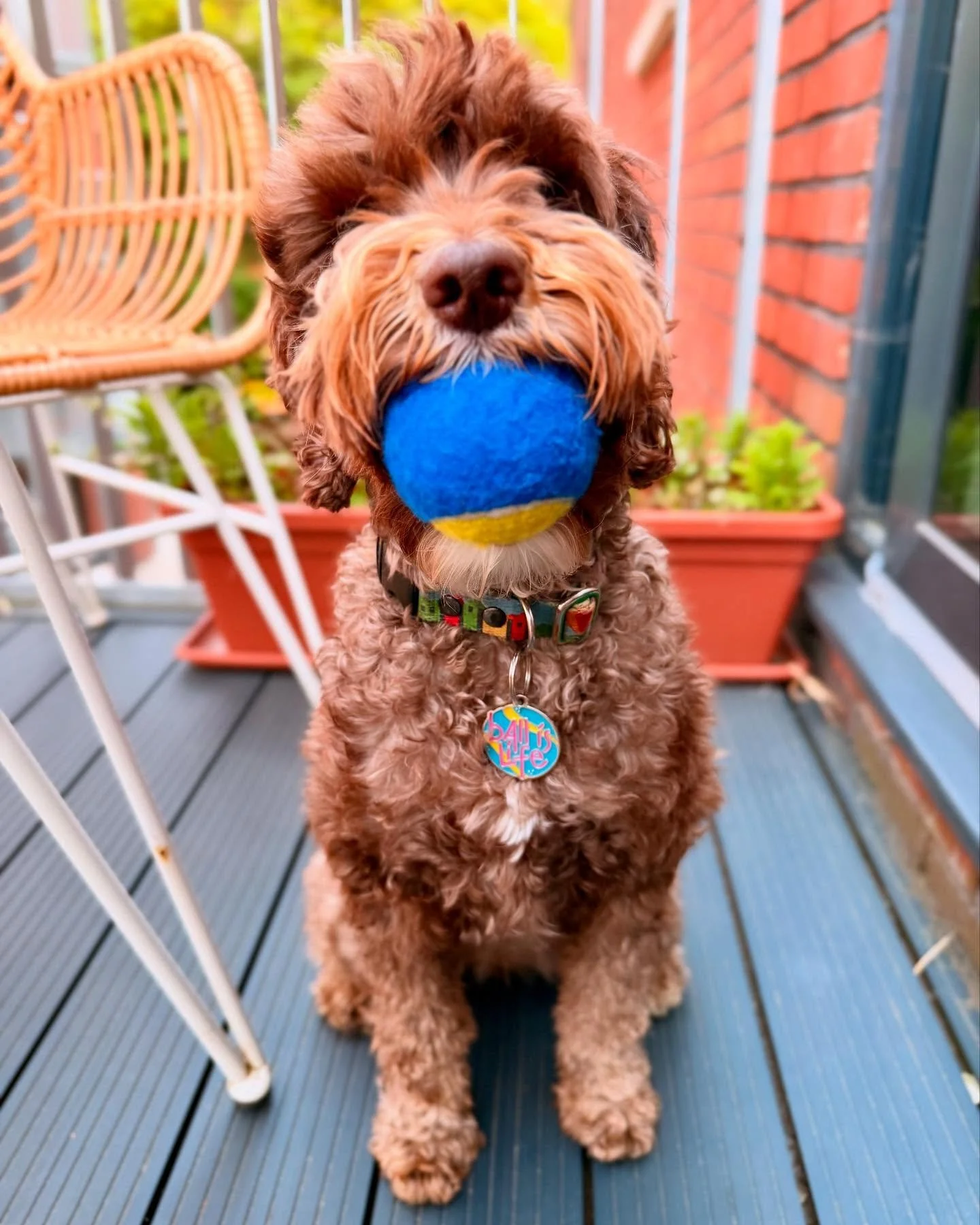
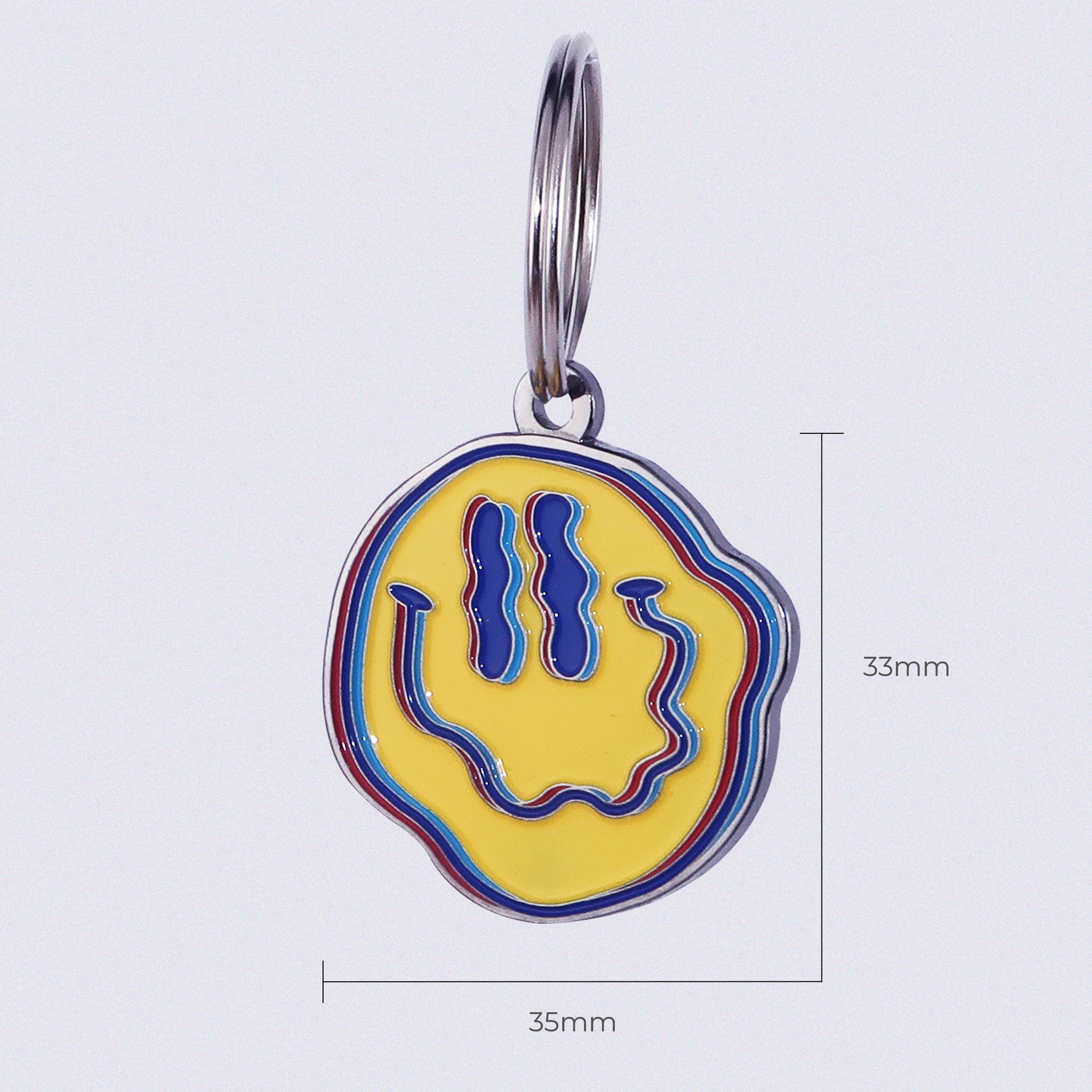
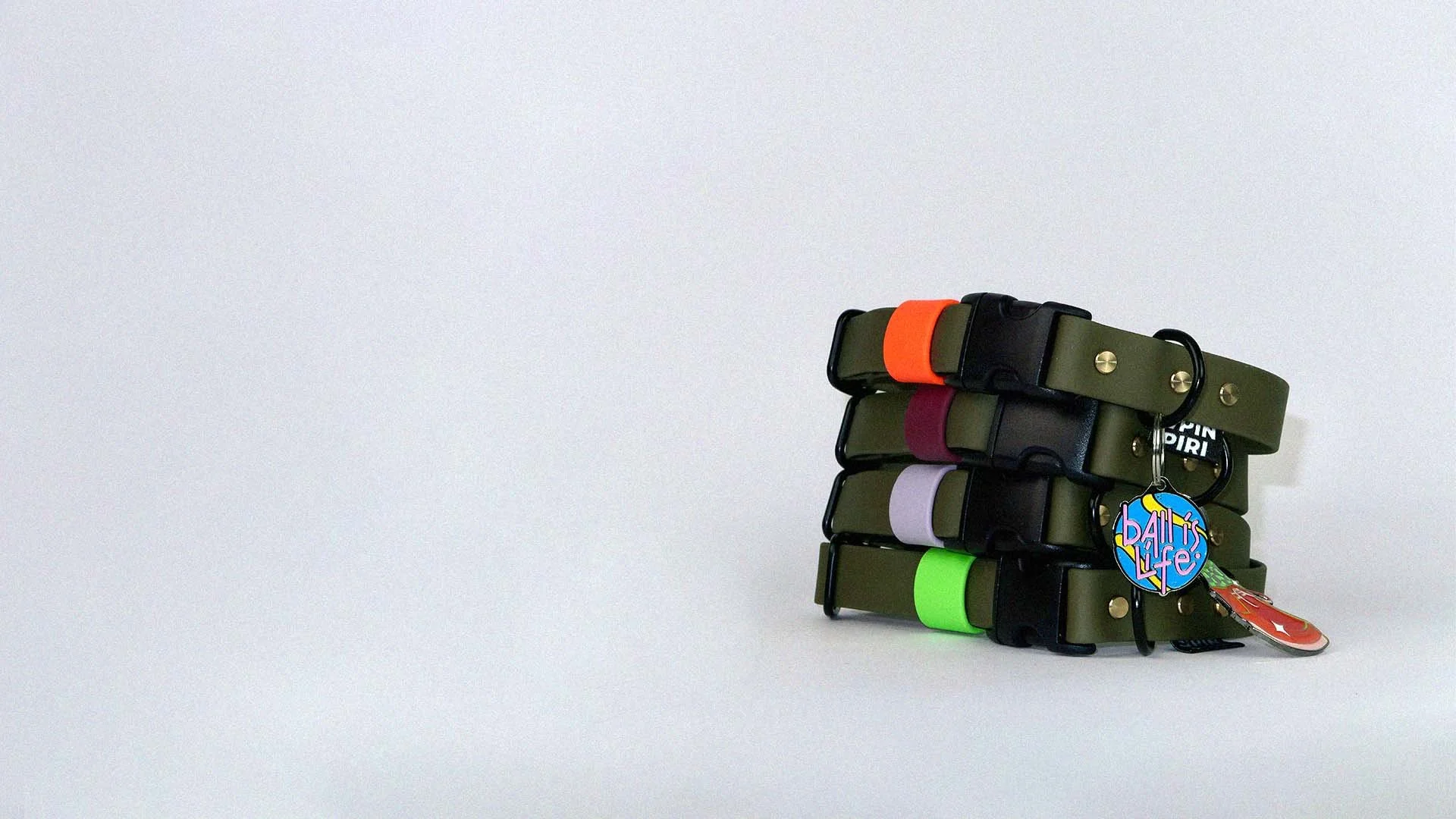
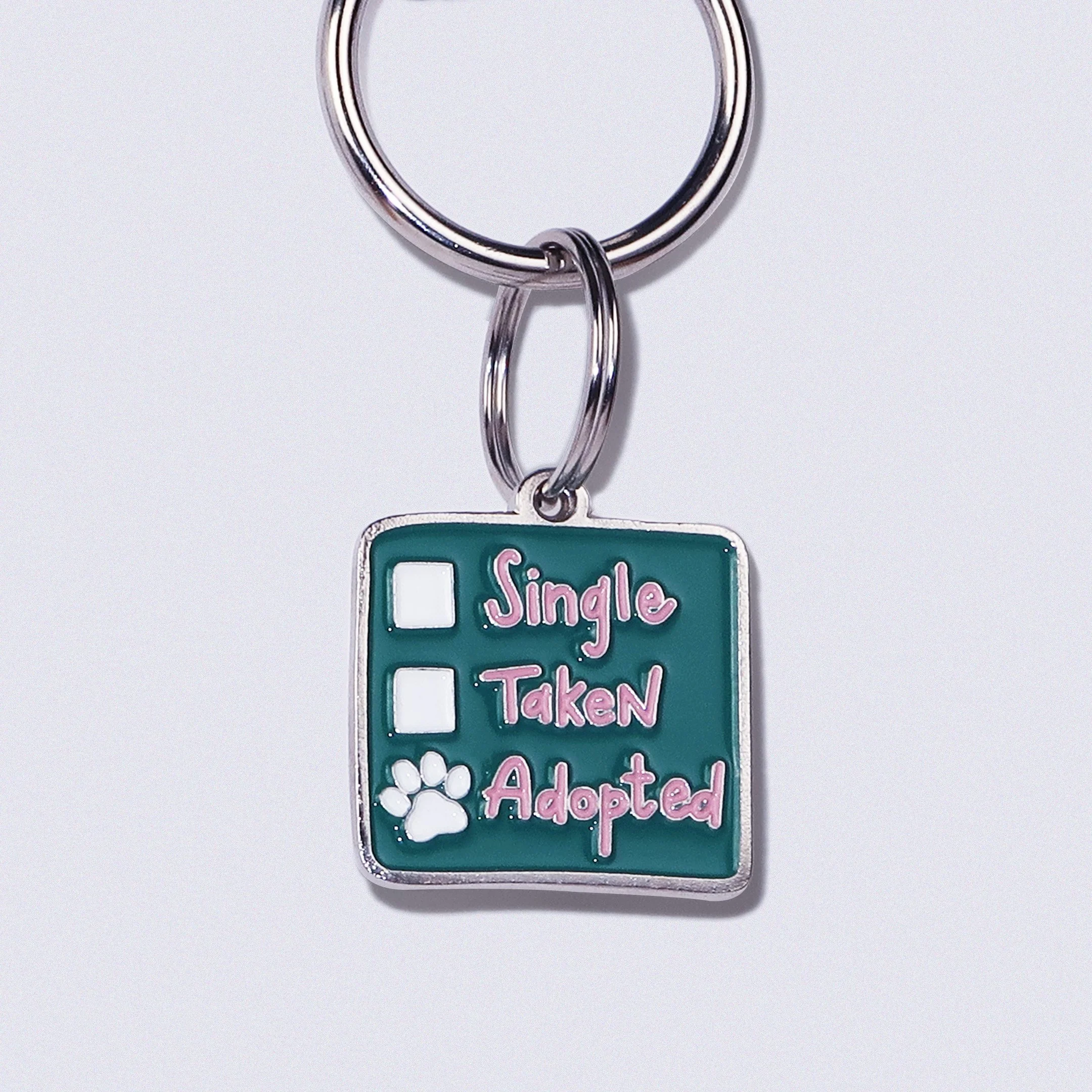
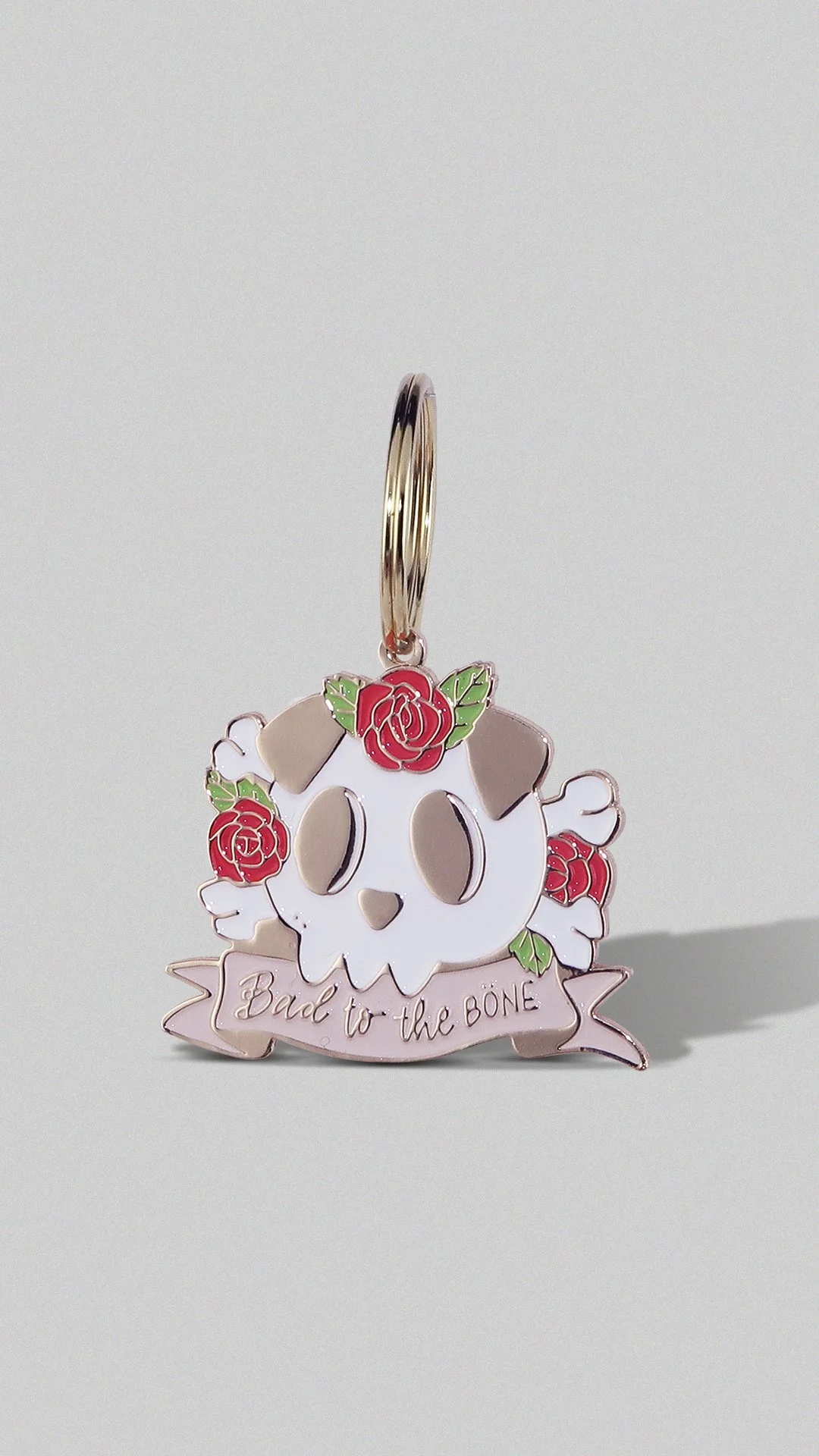
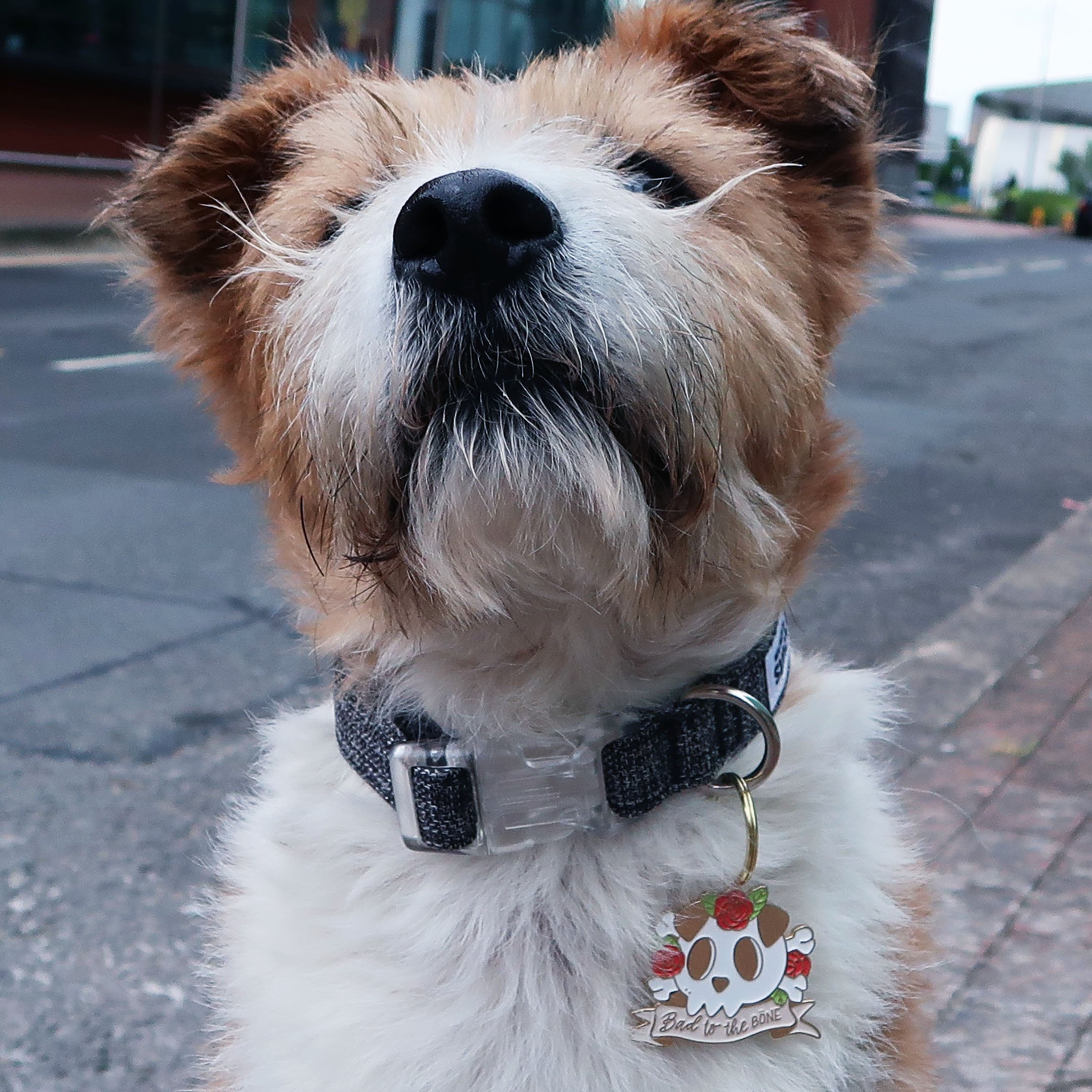
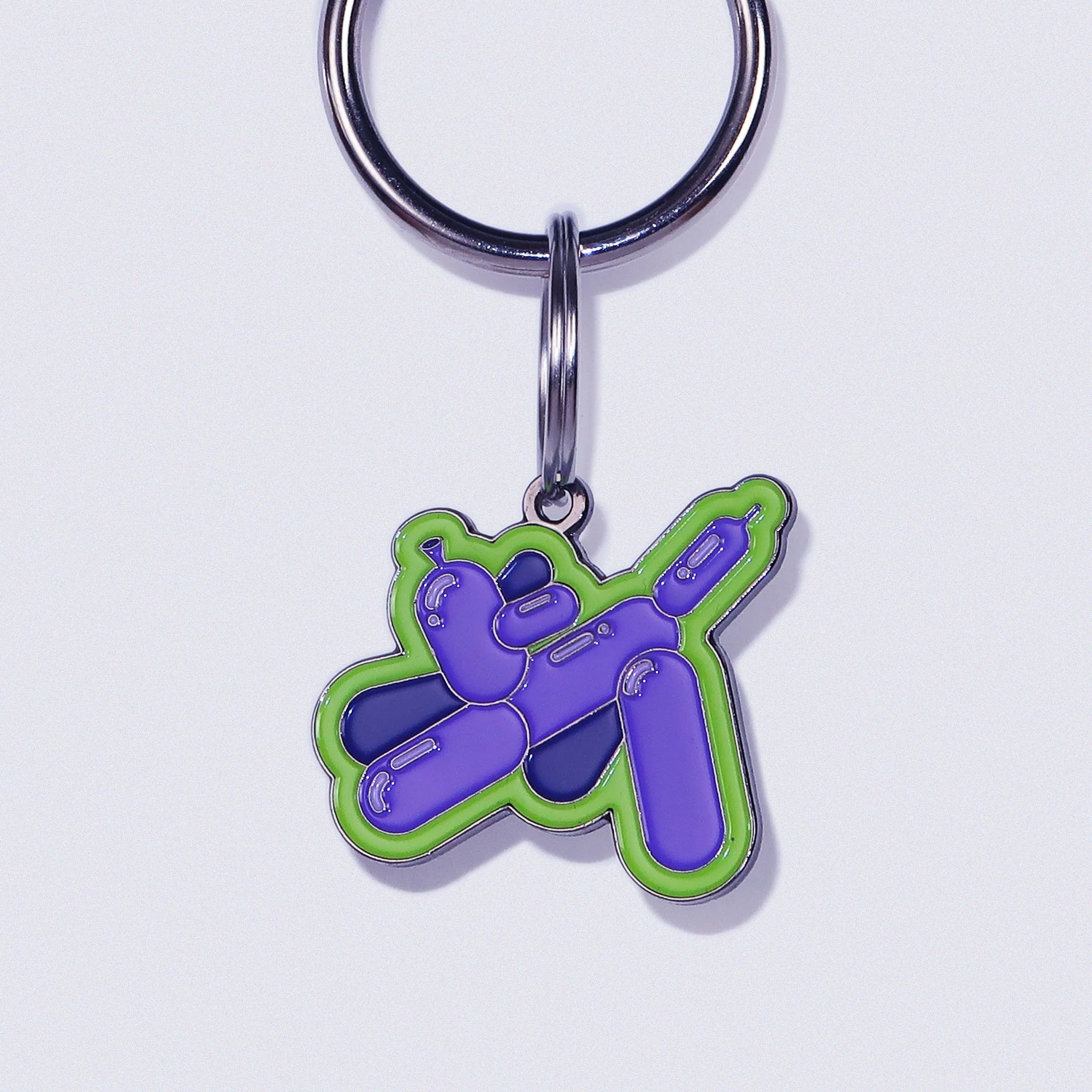
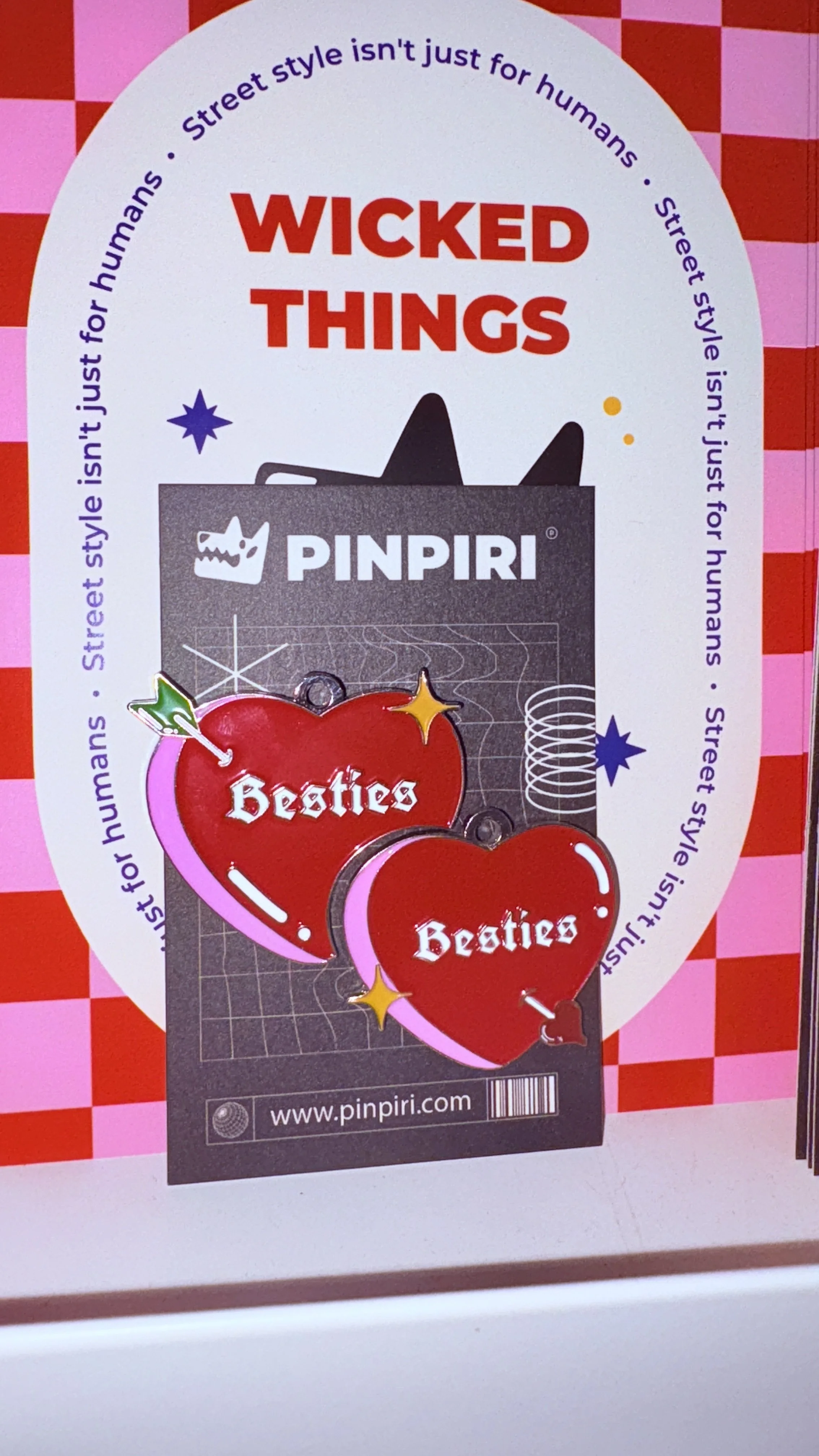
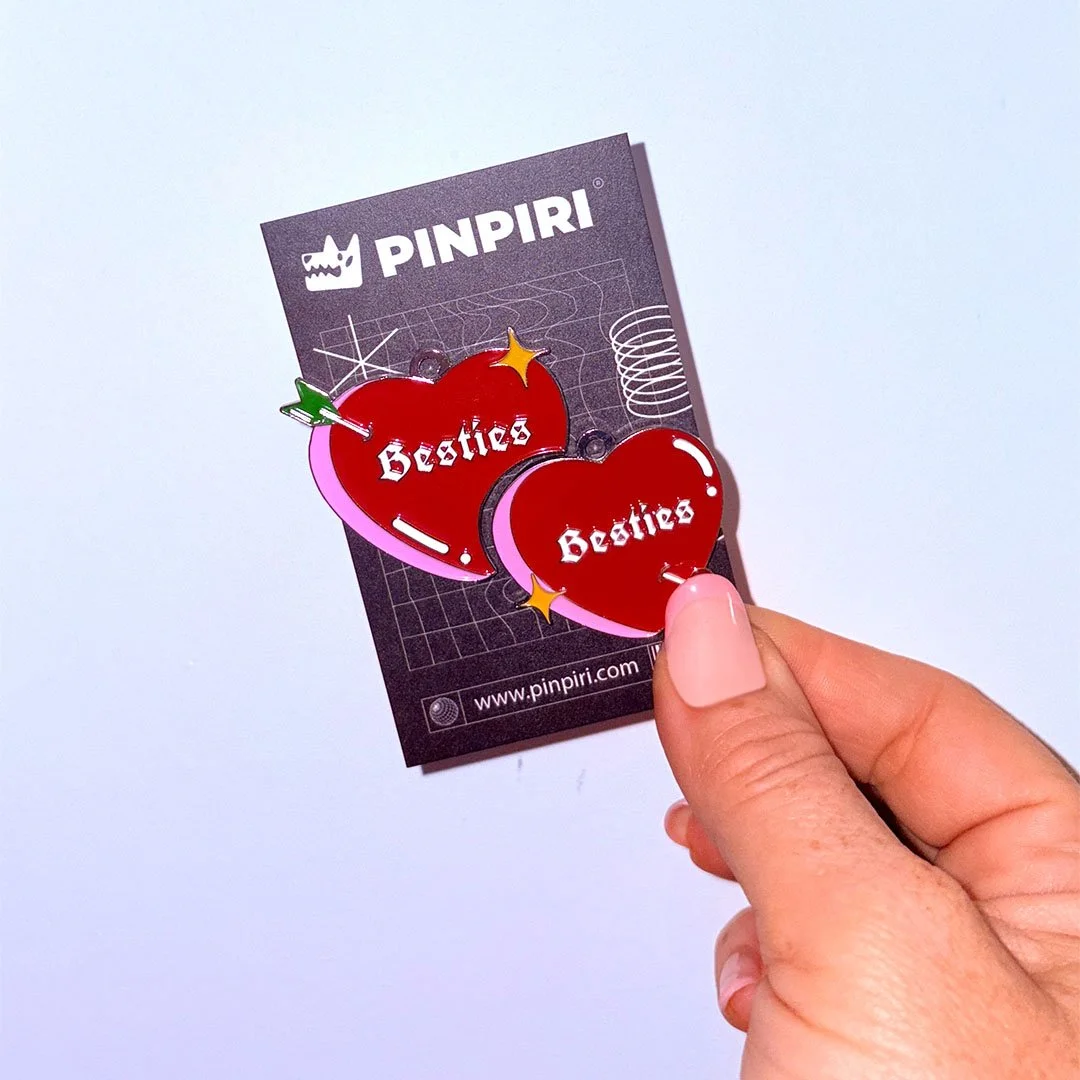
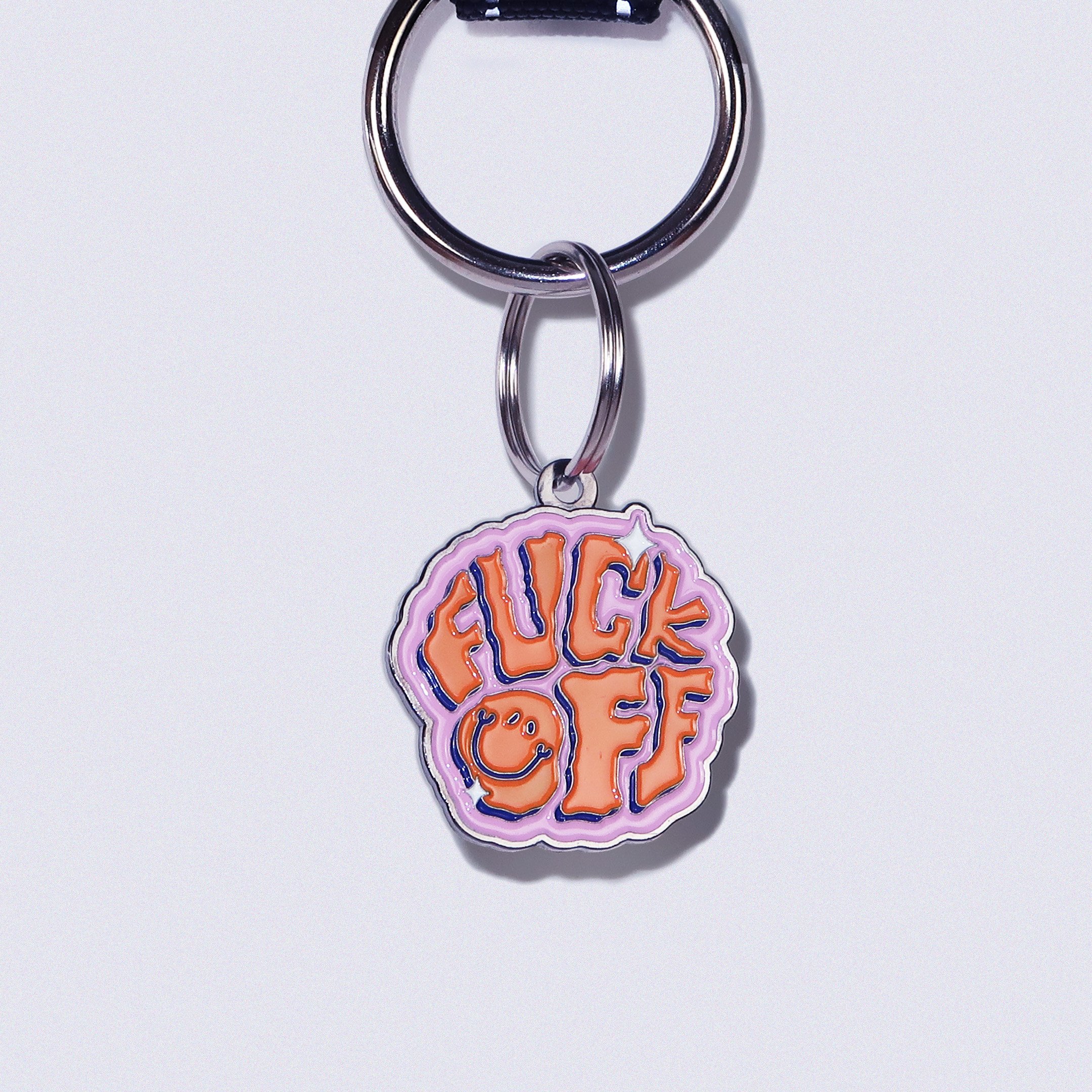
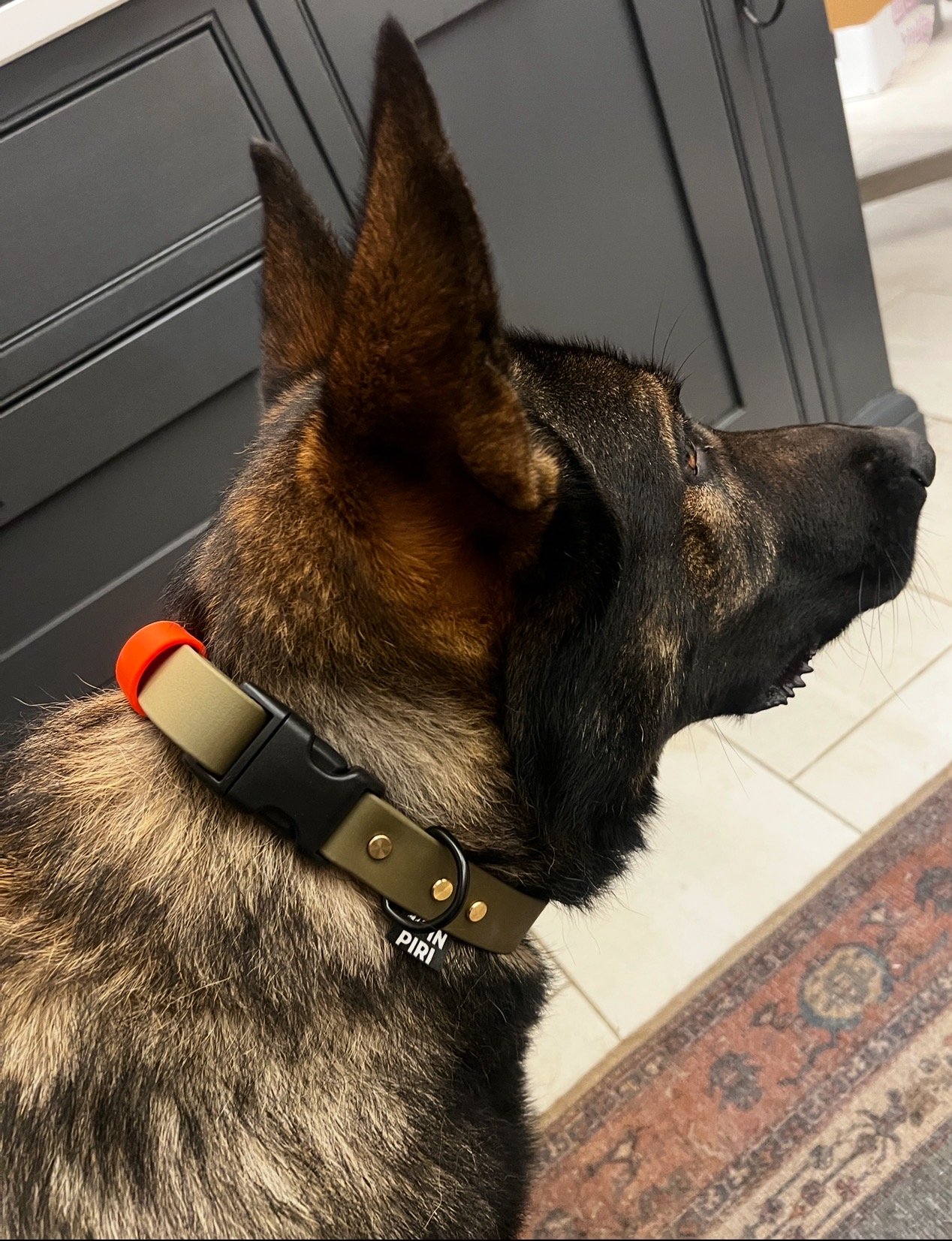
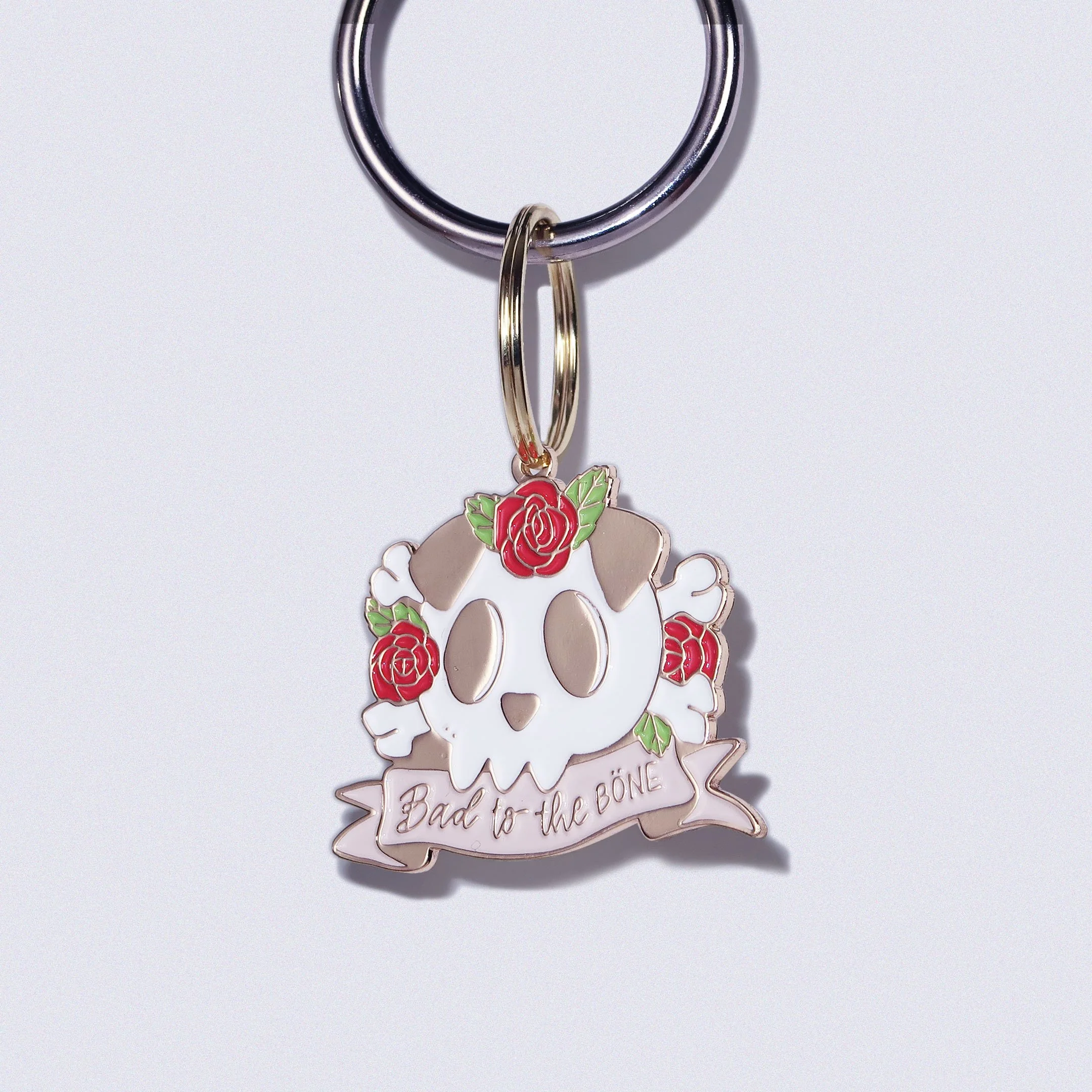
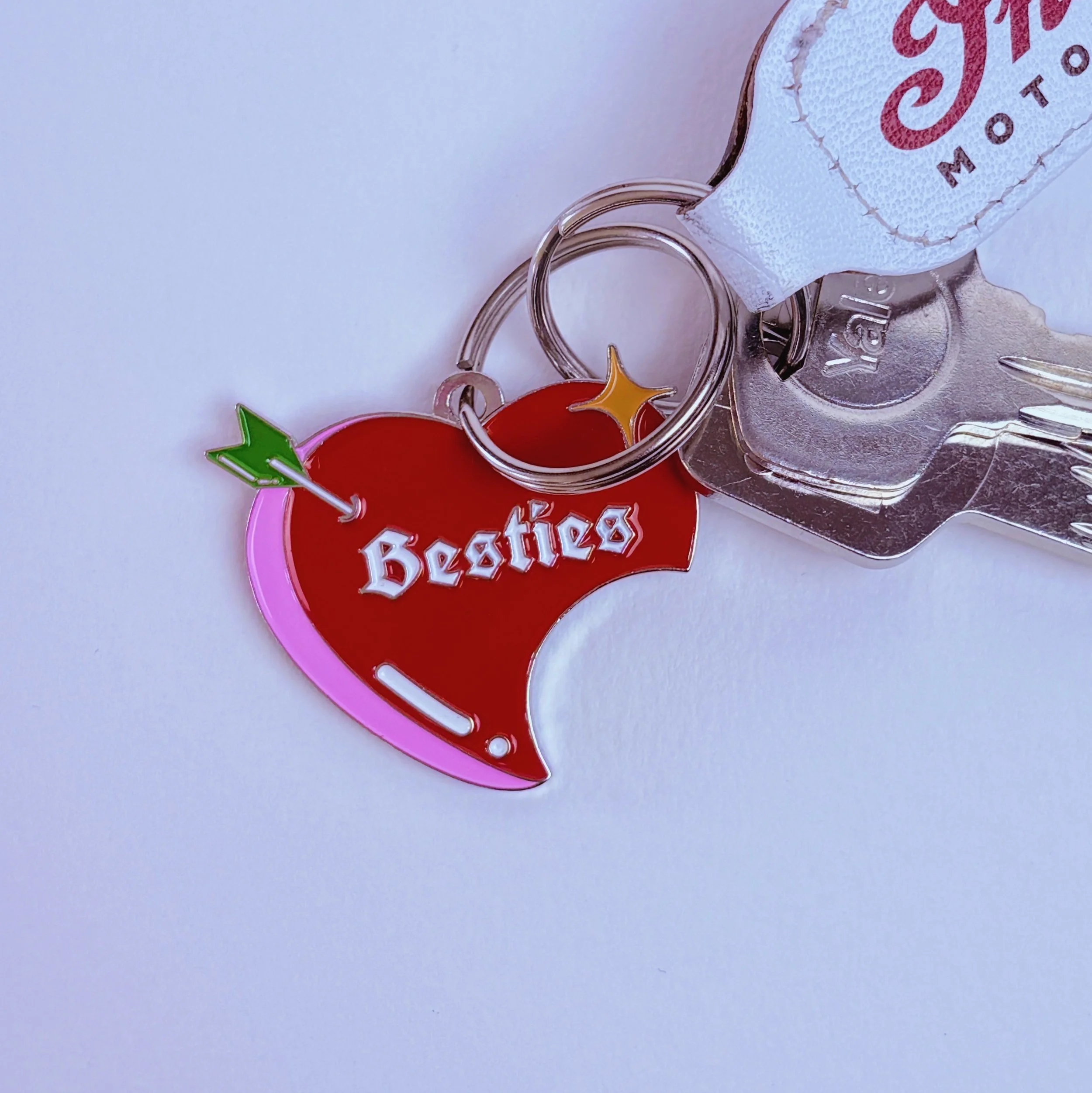
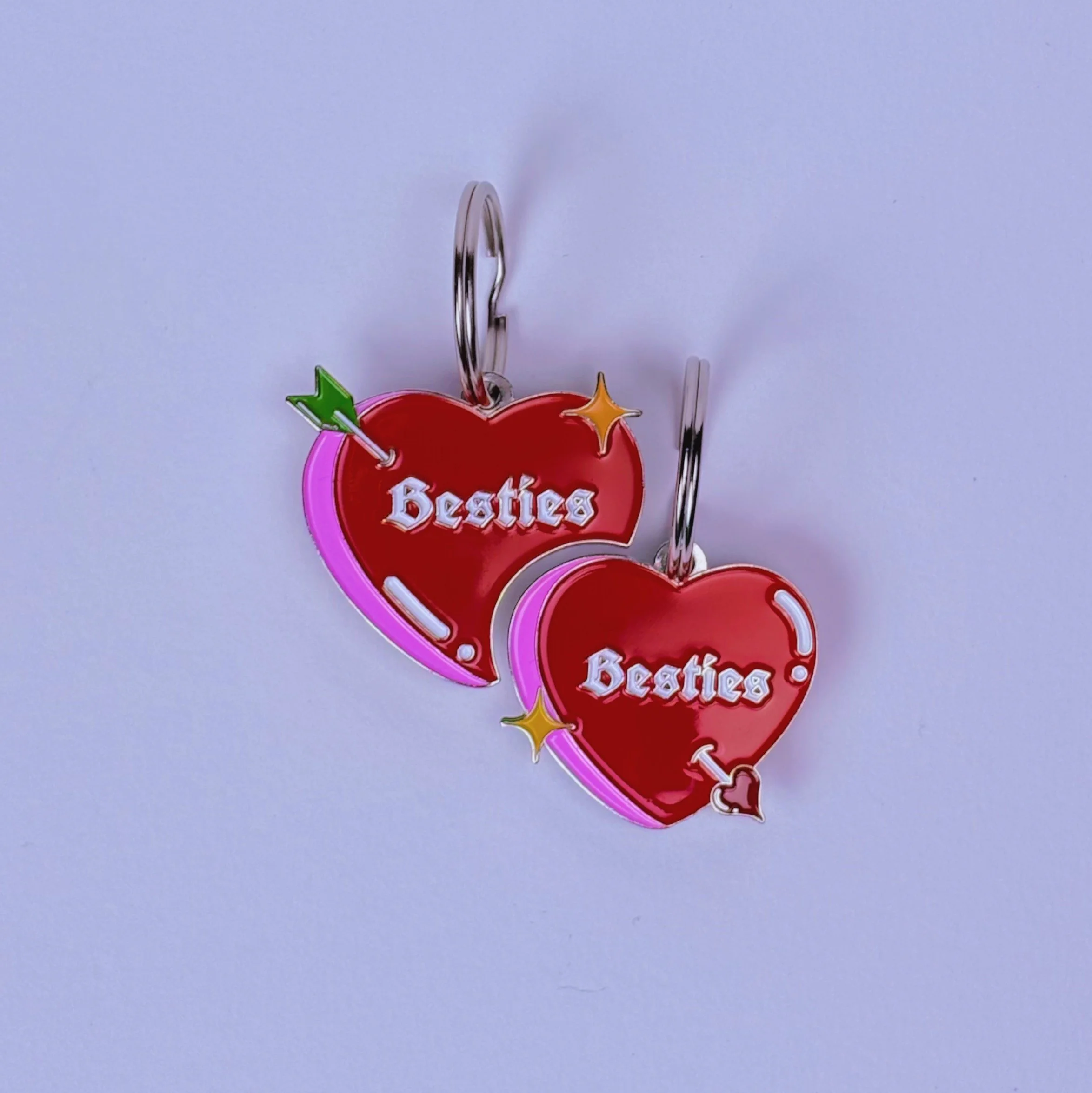
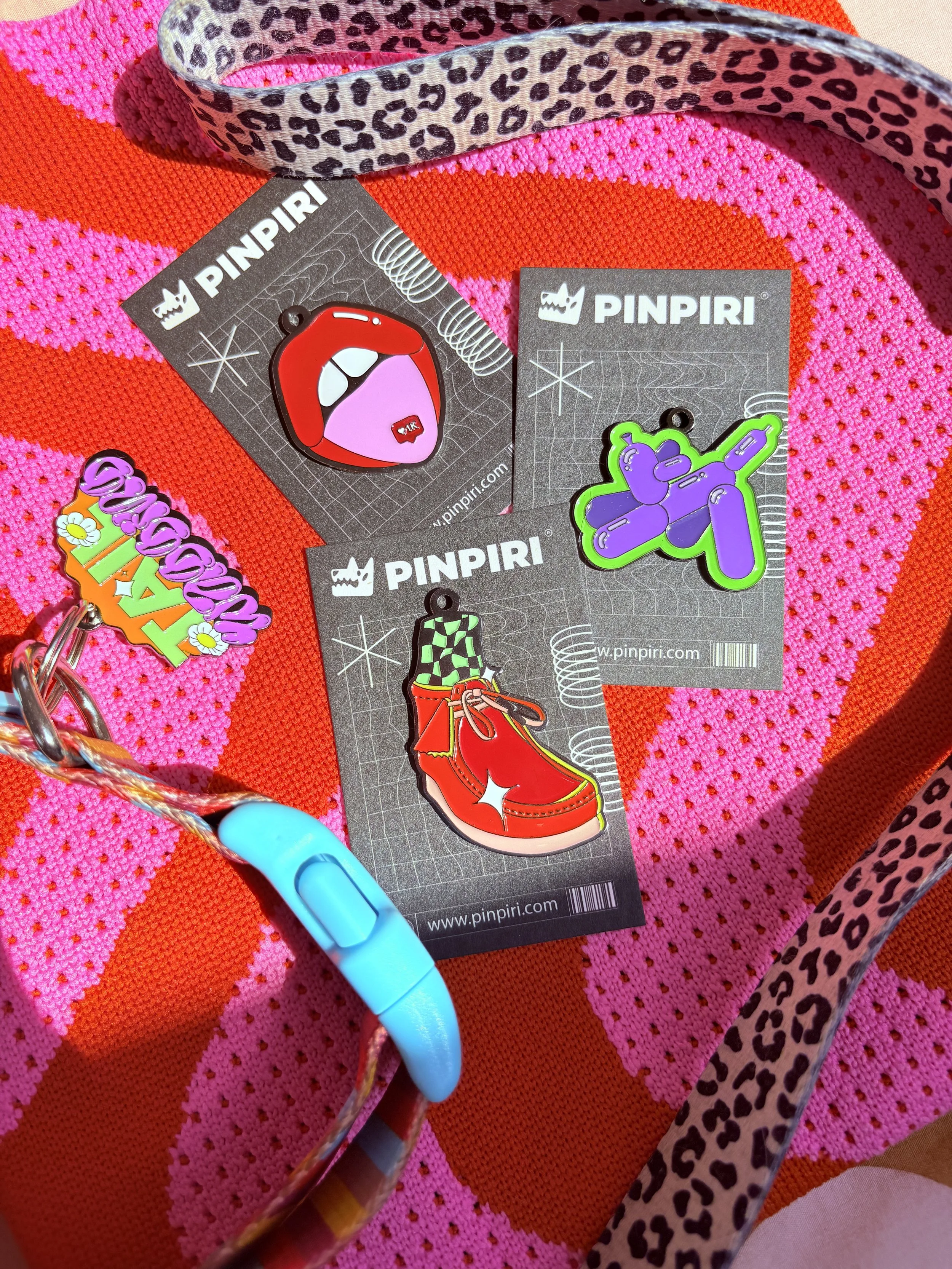
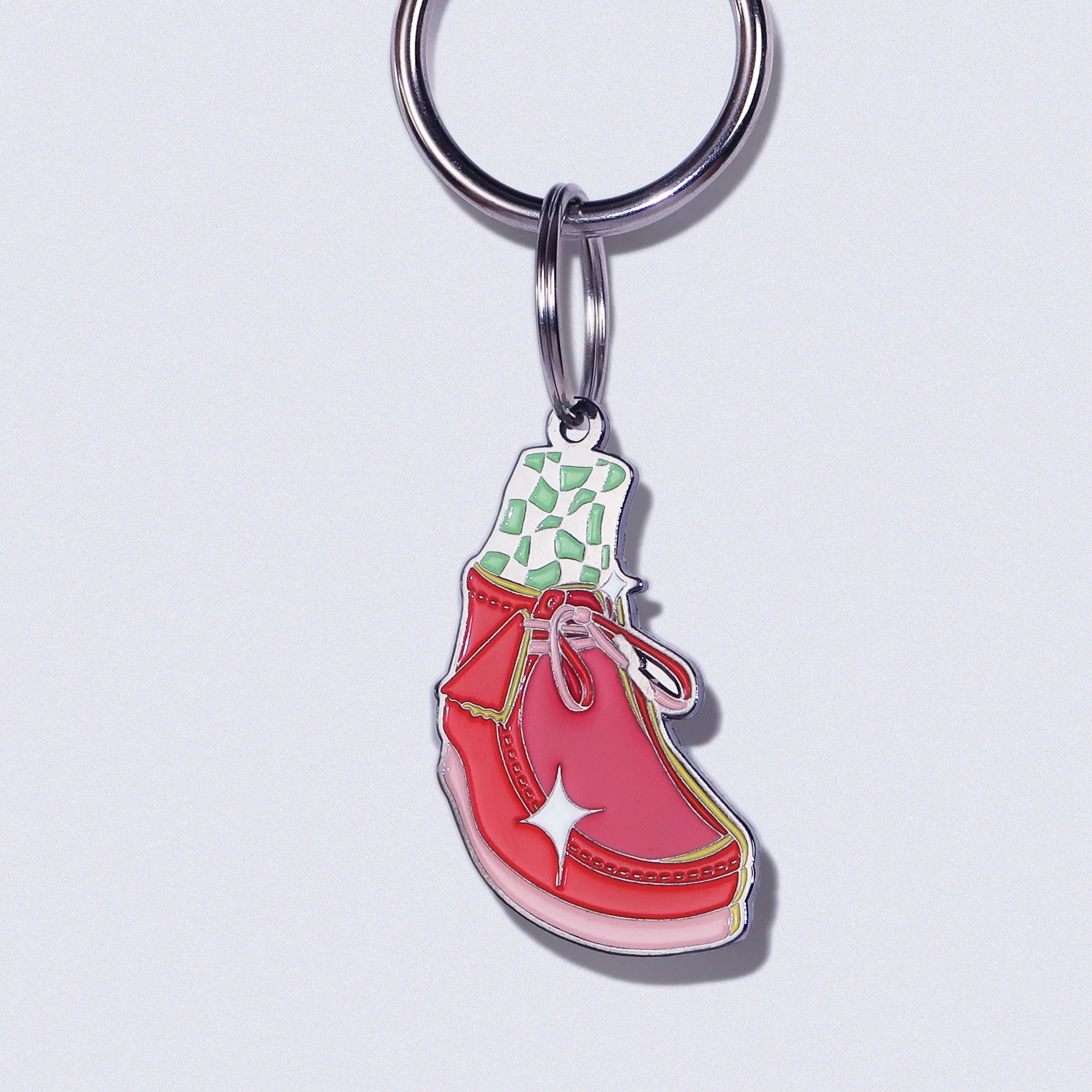
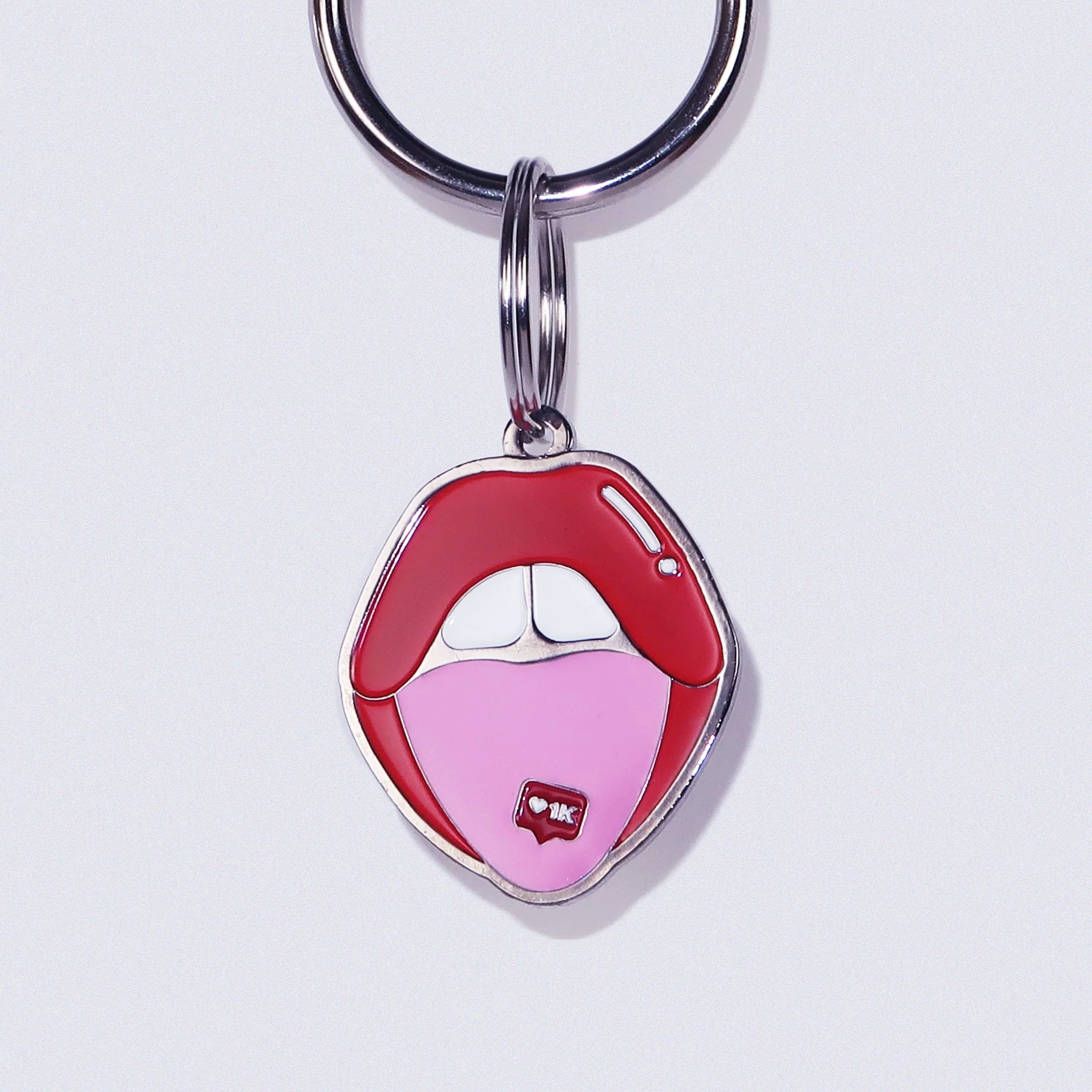
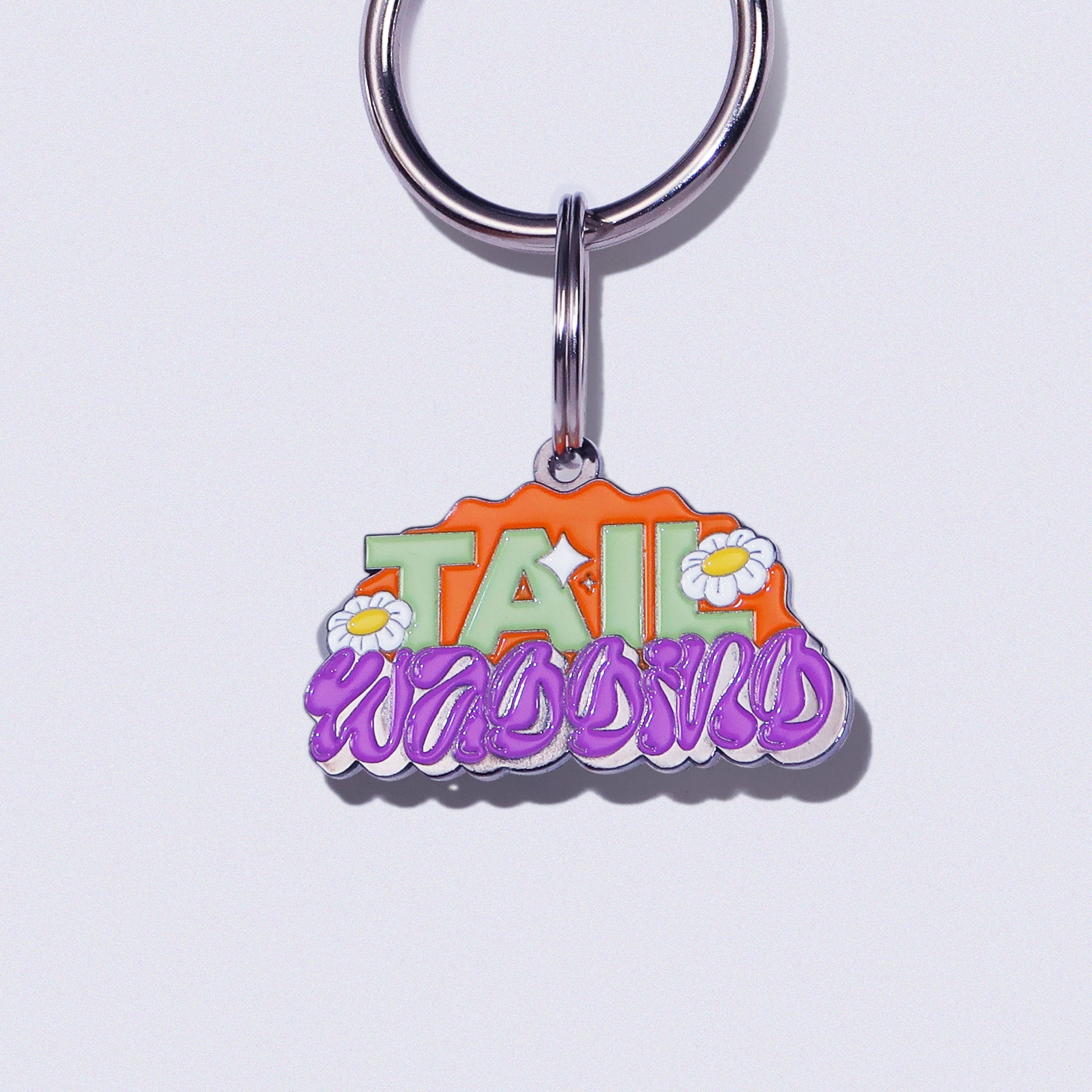
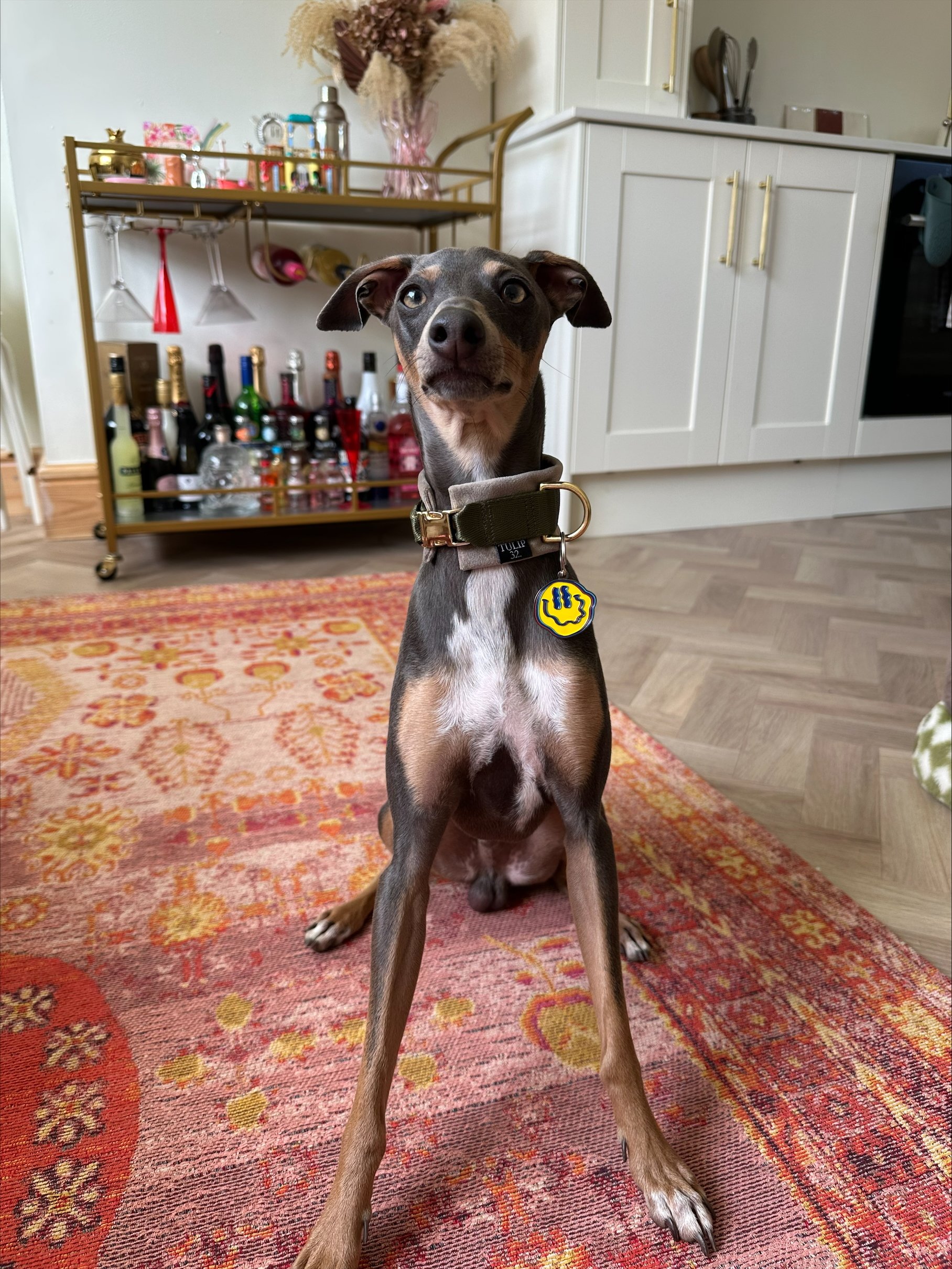
Before Pinpiri, dog tags were just metal circles with a name and a phone number. Pinpiri turned them into bold little fashion statements for dogs who don't do basic.
But building a brand from scratch meant more than a good idea. It meant figuring out — through real testing, real spending, and real iteration — what actually makes people buy.
what I built
Pinpiri is a one-person operation.
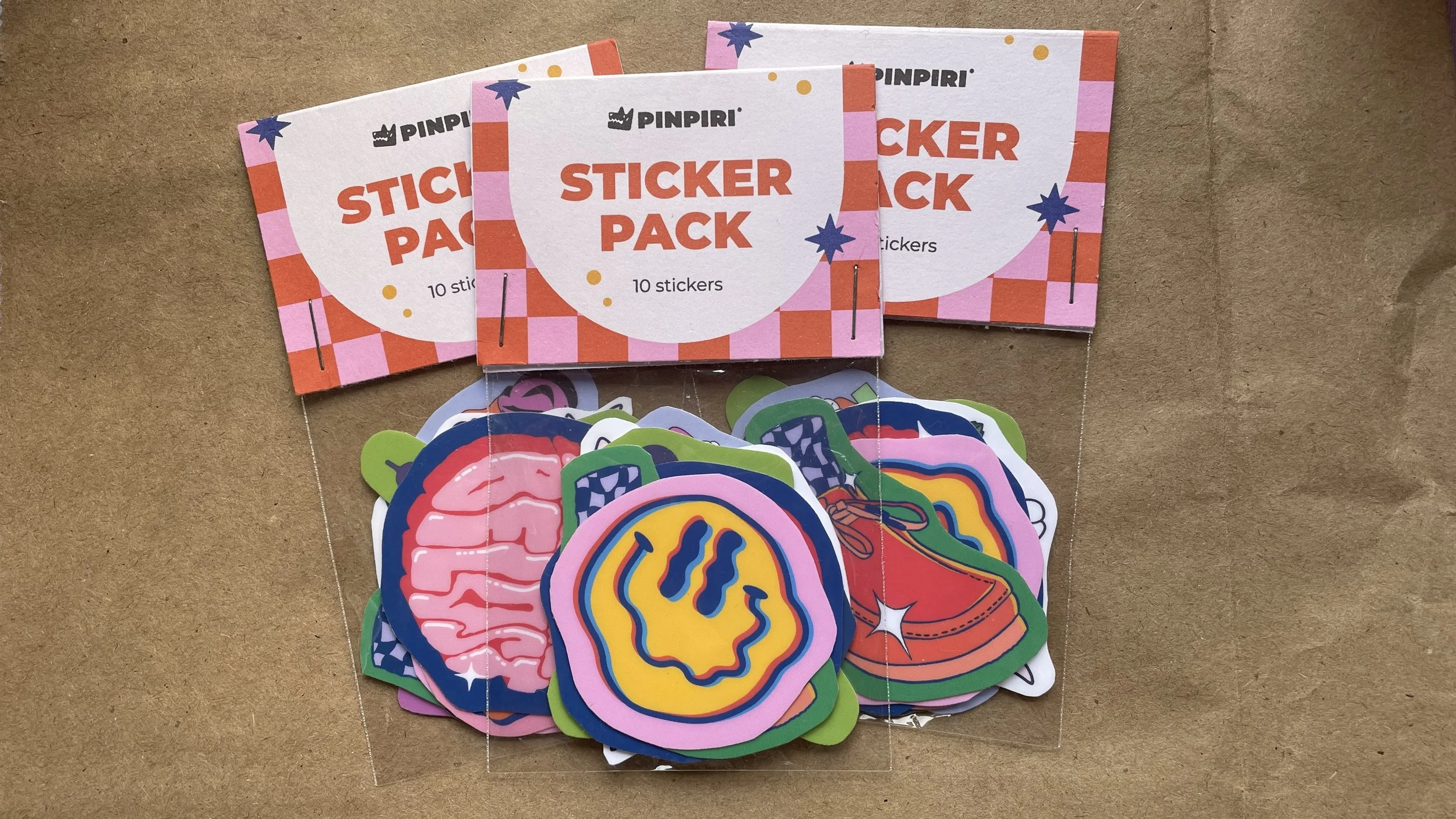
I designed the products, built the brand world, wrote all the copy, created the content, built and continuously optimised the Shopify store, and ran all paid advertising on Meta.
More importantly, I own the entire journey — from the first impression of an ad to the moment someone decides to buy.
Everything you see here was created, tested, and iterated by one person.
WHAT THIS TAUGHT ME
Pinpiri has been a real passion project for me. Not just because I get to work with dogs, but because it allowed me to evolve as a creative. It became a place where I could develop ideas, test them in the real world and see first-hand how people responded.
For the first time, I had complete creative ownership. While budget was always a challenge, it forced me to think differently and create ideas that could have real impact with very little resource. That's something I'd done in agencies before, but when it's your own brand and you're responsible for bringing every idea to life, it's a completely different experience.
I still love building and evolving Pinpiri. It's an active brand, and I continue to iterate on everything from the products to the creative and customer experience. But it also reminded me how much I enjoy agency life, collaborating with other creatives, tackling different brands and solving new challenges. That's ultimately why I've decided to move back into an agency role.






The performance side
Pinpiri gave me end-to-end visibility that agency roles rarely offer.
Beyond concept and campaign work, it reinforced that creative impact doesn’t stop at the ad — it’s shaped across the entire journey, from first impression through to conversion.
I treat the entire funnel as a creative problem - not just the ad, but everything that follows it.
On Meta, I developed and tested multiple variations across hooks, formats, and messaging angles - quickly moving away from what simply looked good toward what actually converted.
The biggest shift was realising that the best-performing ads weren’t always the most polished. Clarity, immediacy, and emotional relevance consistently outperformed aesthetics.
On the website, I iterated continuously - testing headlines, restructuring layouts, swapping imagery, and refining CTA placement. Each change was driven by performance data, not instinct.
The current site is the result of ongoing iteration. It looks nothing like the version I launched with.